Industrial Automation and Robotics in 2026: What Every Manufacturer Needs to Know
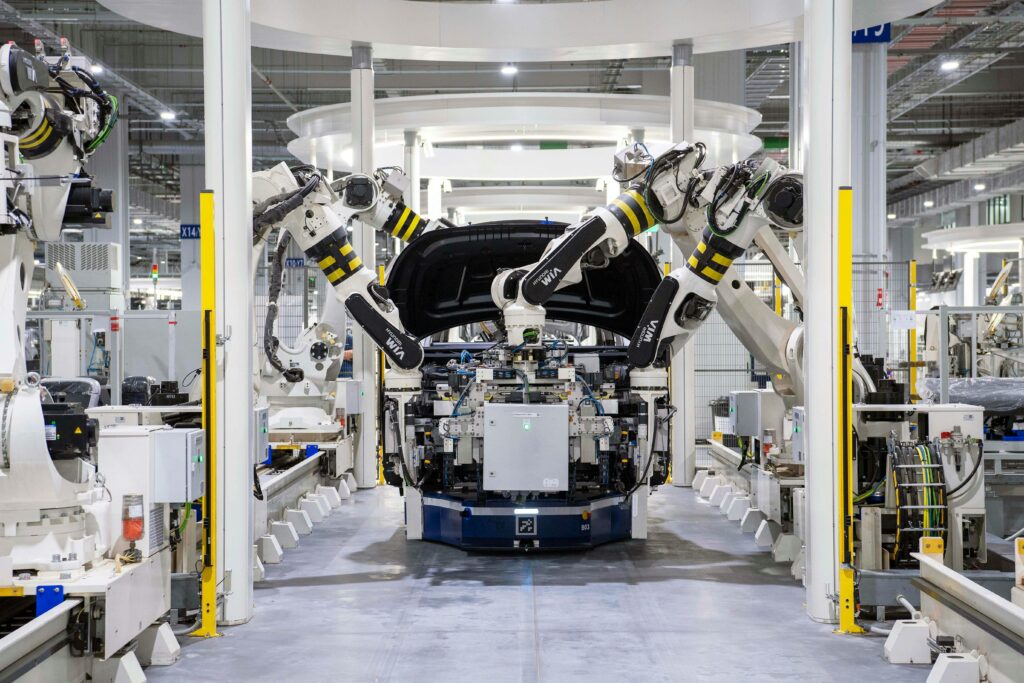
The factory floor looks nothing like it did five years ago. Industrial automation and robotics in 2026 have moved from pilot projects to full-scale deployment — and the businesses that understand this shift are pulling ahead fast.
What Is Industrial Automation and Robotics?
Industrial automation refers to the use of technology — control systems, software, sensors, and machines — to perform tasks in a production environment with minimal human intervention. Robotics is the physical backbone of this system: the mechanical arms, mobile units, and intelligent machines that carry out the actual work.
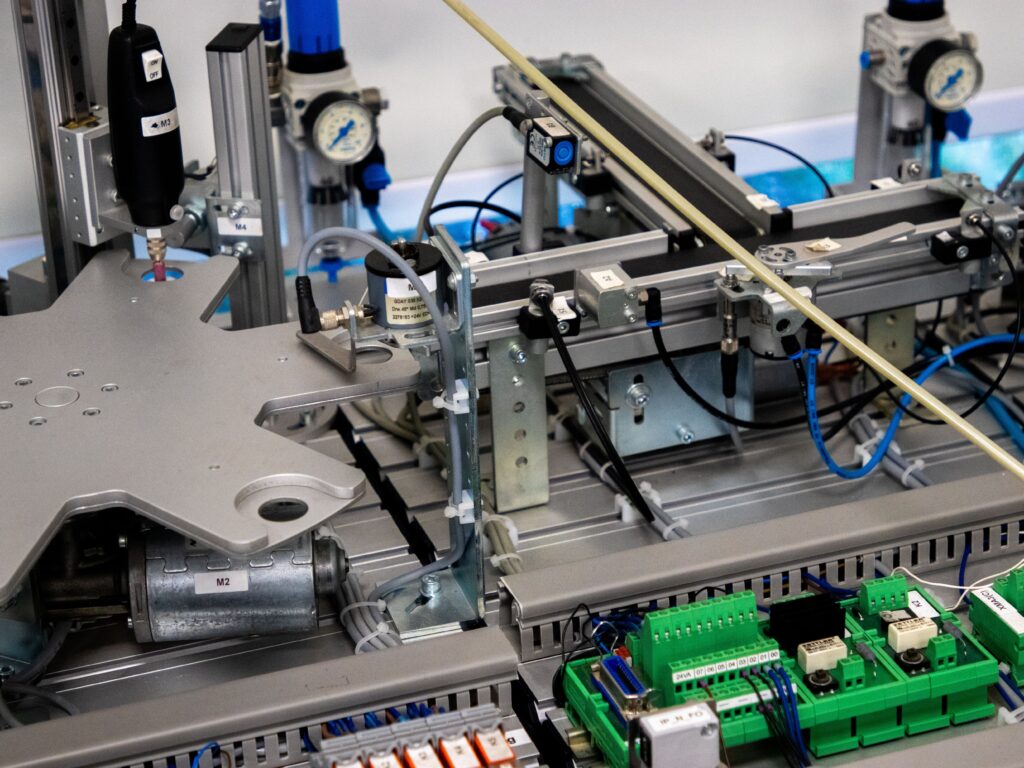
Together, industrial automation and robotics in 2026 form an interconnected ecosystem where machines don’t just perform repetitive tasks — they sense, decide, communicate, and learn. This is fundamentally different from the automation of a decade ago, which was rigid, single-purpose, and expensive to change.
$325BMarket size by 2030
8%Annual CAGR 2025–2030
86%Employers say AI is top driver
2M+Operational robots in China alone
Why 2026 Is a Turning Point for Industrial Automation
Three years of cautious spending between 2023 and 2025 created a dam. In 2026, that dam is breaking. Manufacturers who delayed automation investments are now facing a stark reality: competitors who automated are operating faster, cheaper, and with fewer errors. The pressure to catch up has never been higher.
On top of that, the labor shortage has reached a critical inflection point. The U.S. manufacturing sector alone needs hundreds of thousands of new workers it simply cannot find. Across Europe and Asia, demographic shifts are compounding the problem. Automation is no longer a cost-cutting strategy — it is a survival strategy.
“Robotics in 2026 is no longer about ‘can we automate this?’ — it’s about ‘how quickly can we deploy, adapt, and scale automation across the entire operation?'”
Meanwhile, the technology itself has matured dramatically. AI-powered robots are no longer experimental. Smart factory software is no longer reserved for Fortune 500 companies. And collaborative robots — cobots — have brought automation within the financial reach of small and mid-size manufacturers for the first time.
Key Technologies Driving Industrial Automation and Robotics in 2026
1. Artificial Intelligence and Machine Learning
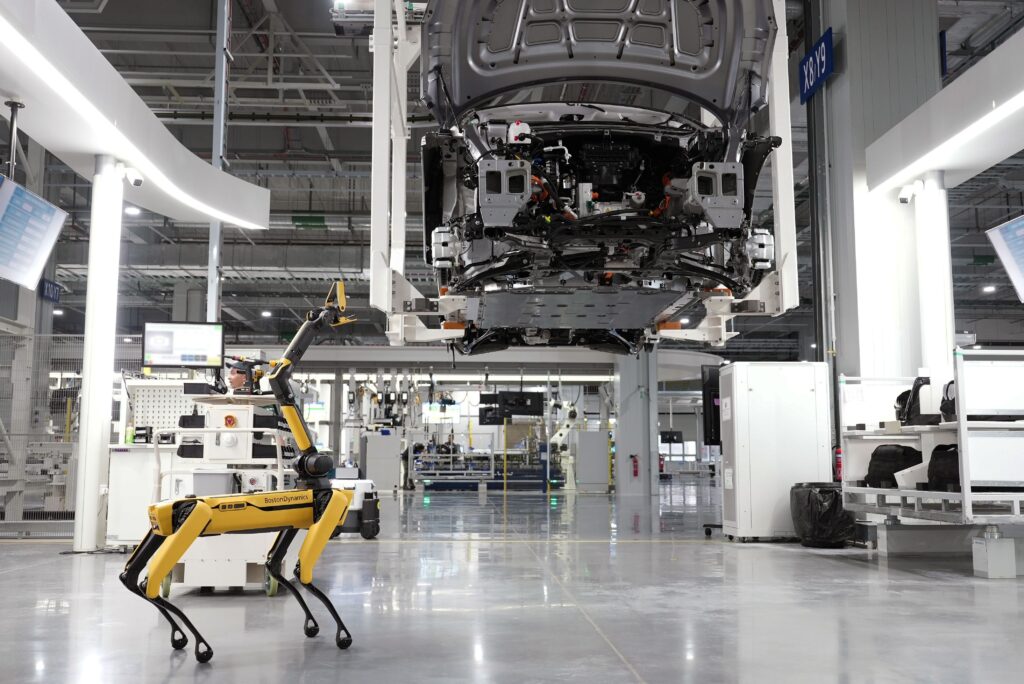
AI in robotics has evolved from a buzzword to a genuine operational tool. Modern industrial robots use machine learning to adapt to variations in raw materials, product specifications, and environmental conditions without being reprogrammed. Analytical AI identifies patterns in production data and flags anomalies before they become failures. Generative AI is beginning to assist in robot path planning and production scheduling in ways that would have required teams of engineers just a few years ago.
2. Collaborative Robots (Cobots)
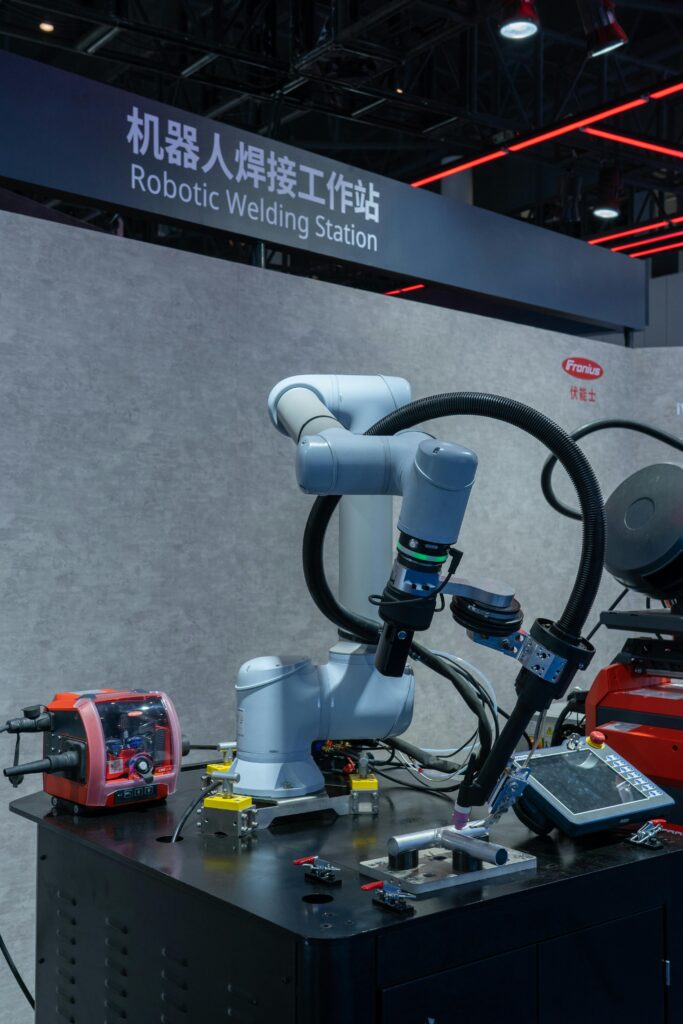
Cobots are one of the most significant developments in industrial automation for smaller businesses. Unlike traditional industrial robots that require safety cages and specialist integration, cobots are designed from the ground up to work safely alongside human operators. They can be redeployed to different tasks in hours, not weeks. Industries including electronics, automotive components, pharmaceuticals, and food processing have adopted cobots at a rapid pace, with cobot adoption growing at roughly 30% per year.
3. Industrial IoT and Smart Factory Technology
The Industrial Internet of Things (IIoT) turns factories into data-generating environments. Sensors on every machine, conveyor, and robot feed real-time information into centralized systems that monitor performance, predict failures, and optimize throughput automatically. Smart factory technology trends in 2026 show that real-time process monitoring is now standard in high-performing plants — with 38% of manufacturers actively using live data to reduce scrap and improve quality control.
4. Predictive Maintenance Robotics Systems
Unplanned downtime is one of the most expensive problems in manufacturing. Predictive maintenance robotics systems use sensor data and AI to detect early signs of mechanical wear, overheating, or misalignment — and alert maintenance teams before a breakdown occurs. This moves factories from reactive repair to proactive care, dramatically reducing downtime costs.
5. Software-Defined Automation
Control logic is migrating off dedicated hardware PLCs and onto industrial PCs and cloud-connected servers. This means manufacturers can update, repurpose, and scale their automation systems through software — without buying new hardware every time the product line changes. It is one of the most cost-effective trends reshaping industrial automation in 2026.
Top Industries Transformed by Robotics in 2026
- Automotive: Robotic welding, painting, and precision assembly have long been automotive staples. In 2026, AI-driven quality inspection and flexible cobot assembly lines are the new frontier.
- Electronics: Miniaturization demands robot precision that human hands simply cannot match. Electronics manufacturers are among the heaviest cobot adopters globally.
- Pharmaceuticals: Regulatory compliance, sterile environments, and exacting tolerances make robotics not just useful but necessary in pharma production.
- Food and Beverage: Packaging, sorting, inspection, and palletizing are increasingly automated — especially as food safety standards tighten globally.
- Logistics and Warehousing: Autonomous mobile robots (AMRs) now navigate warehouse floors independently, picking, sorting, and delivering goods with no human involvement.
- Agriculture: Precision agriculture robots handle planting, harvesting, and crop monitoring — addressing acute rural labor shortages worldwide.
Cobot Automation for Small Manufacturers: The Game-Changer
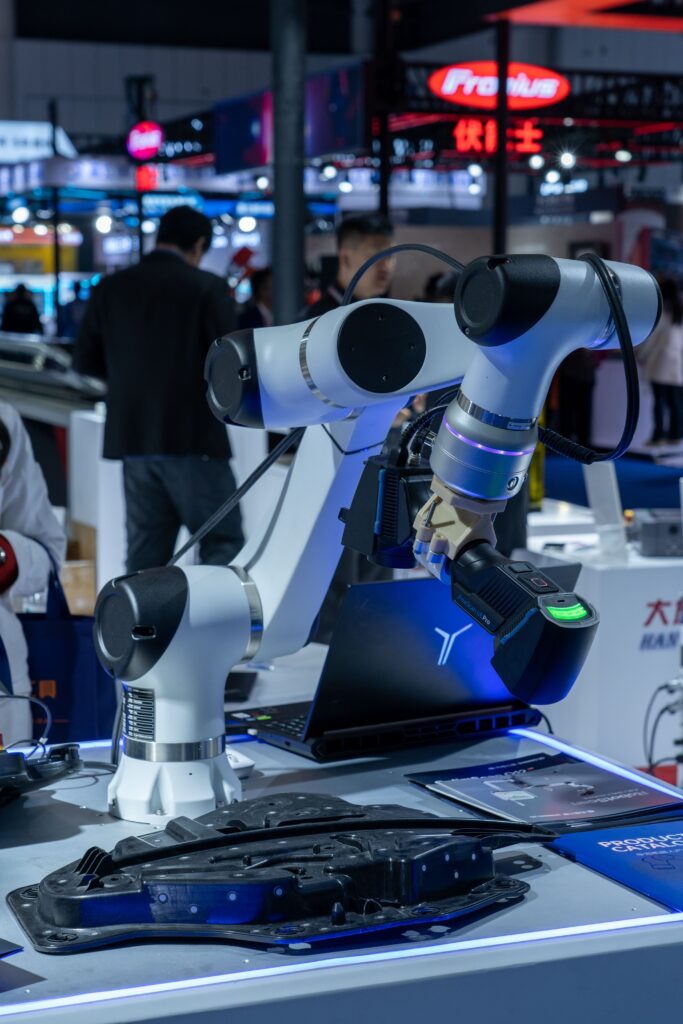
For years, automation was the exclusive domain of large enterprises with deep capital reserves. Cobot automation for small manufacturers has changed that equation entirely. Modern cobots from leading suppliers can be purchased, installed, and running on a production line within days — without specialist robotics engineers on staff.
The total cost of ownership is lower than most small business owners expect. When you factor in reduced labor costs, lower scrap rates, fewer quality rejections, and 24/7 operating capability, a cobot investment can break even in as little as 6 to 12 months. For a small manufacturer looking to compete with larger rivals on cost and consistency, this is no longer a luxury — it is a competitive necessity.
Industrial Robot ROI for Manufacturers: What the Numbers Say
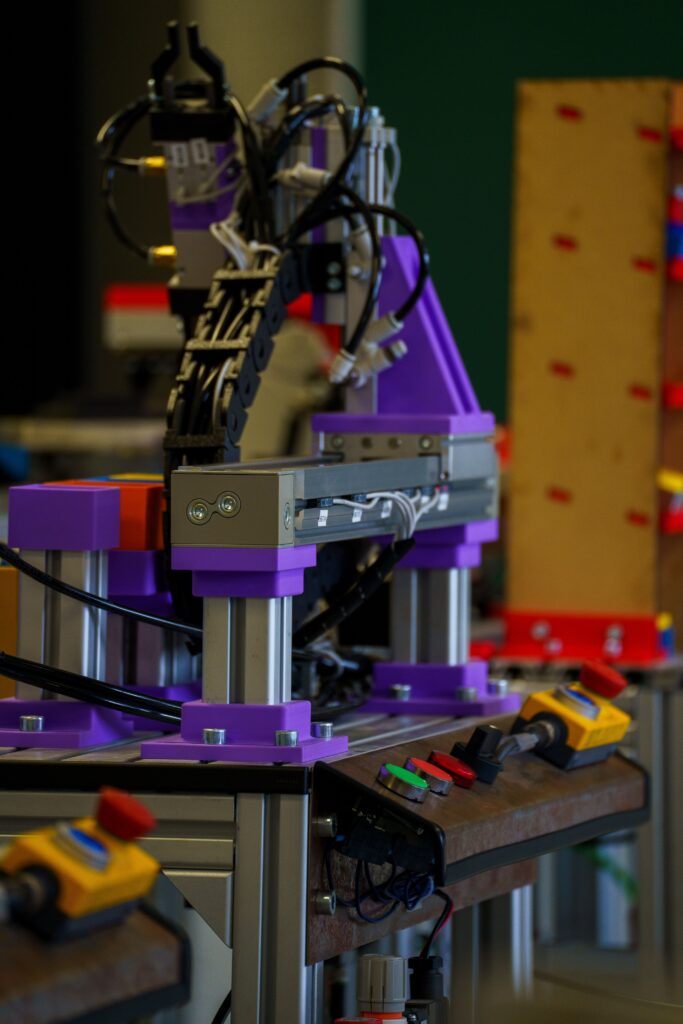
One of the most common questions manufacturers ask before investing in automation is simple: what is the return? The answer depends on the application, but the data paints a clear picture. Here is what industrial robot ROI for manufacturers typically looks like across key metrics:
- Payback periods of 6–24 months depending on deployment complexity
- Labor cost reductions of 20–40% in automated production lines
- Defect rates reduced by up to 90% in precision manufacturing applications
- Production throughput increases of 25–50% in repetitive assembly tasks
- Energy savings of 10–30% compared to equivalent human-operated processes
Beyond the numbers, there is a less quantifiable benefit: consistency. A robot performs the same action the same way every single time, at 3am on a Sunday as reliably as at 9am on a Monday. For industries where product quality is directly tied to customer retention, that consistency alone can justify the investment.
Challenges in Industrial Automation and How to Overcome Them
Industrial automation and robotics in 2026 are not without friction. Here are the most common challenges manufacturers face — and practical ways to address them:
- High upfront cost: Start with a single cobot cell targeting your biggest bottleneck. Prove ROI there before scaling.
- Workforce resistance: Involve employees early. Reframe automation as removing dull and dangerous tasks — not replacing jobs. Invest in retraining.
- Integration with legacy equipment: Work with system integrators experienced in brownfield environments. IIoT sensors can connect old machines to modern platforms without full replacement.
- Cybersecurity risks: As factories become more connected, the attack surface grows. Implement network segmentation, access controls, and regular security audits from day one.
- Skills gaps: Partner with technical colleges or robotics suppliers who offer training programs. Many cobot vendors include operator training as part of the purchase package.